Life & Culture
Everyday objects, food and customs in Japan, starting with Fukushima and the ways people use them.
-
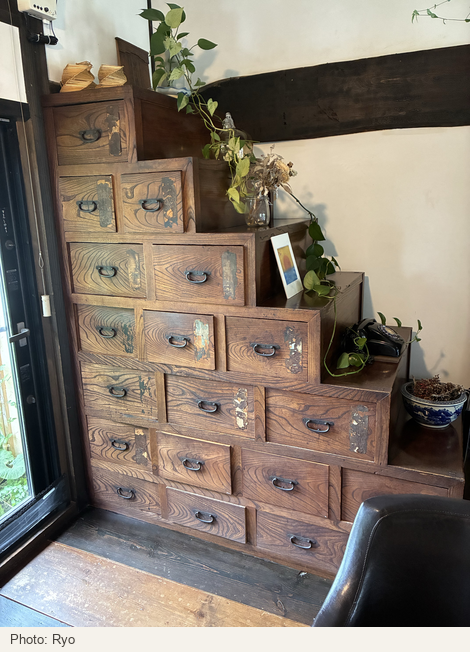
Drawers fill the stepped front, while plants, a framed picture and a telephone occupy surfaces above. Photo: Ryo. Drawers in the Steps, Dishes on a Chest: Inside Bunke Tamaya
At Bunke Tamaya in Ouchi-juku, look at drawers beneath steps, compartments of different sizes, and a wooden chest used for returning dishes.
-
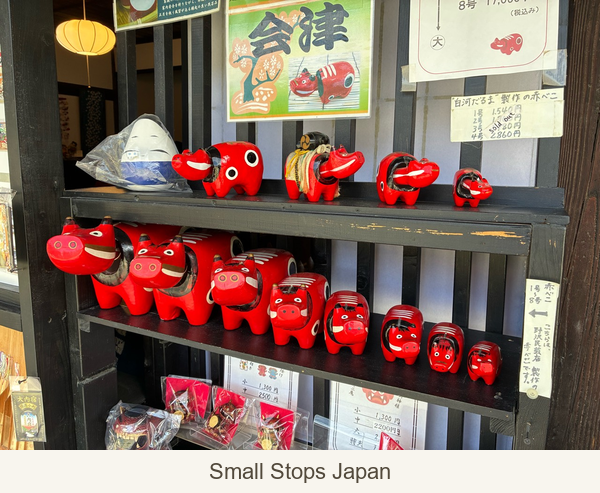
Akabeko displayed in an Ouchi-juku shop. Photo: Ryo. Akabeko: The Little Red Cow with a Moving Head
Look closely at akabeko: a separate moving head, a paper-built body, and the painted faces of Aizu’s little red cows.
-
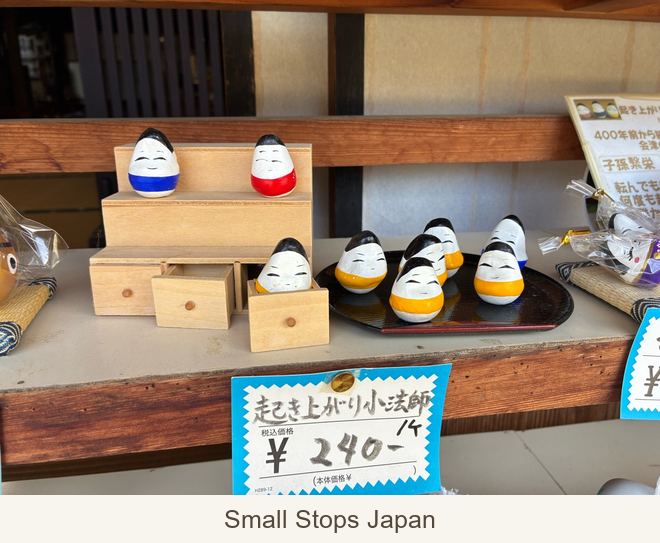
Okiagari koboshi on a shop shelf in Ouchi-juku, photographed by Ryo. Okiagari Koboshi: A Little Doll That Gets Back Up
Look closely at Aizu’s okiagari koboshi: their rounded forms, return to standing, and the custom of choosing one more than the family count.
-
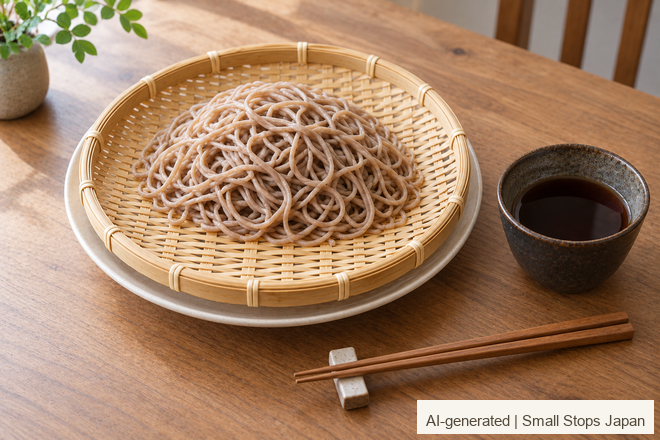
Illustration (AI-generated): drained soba served on a bamboo zaru, with dipping sauce in a separate cup. A Bamboo Zaru: From Draining Noodles to the Table
Follow a shallow bamboo zaru from draining noodles to the table, then see why its weave and drying space matter.
-
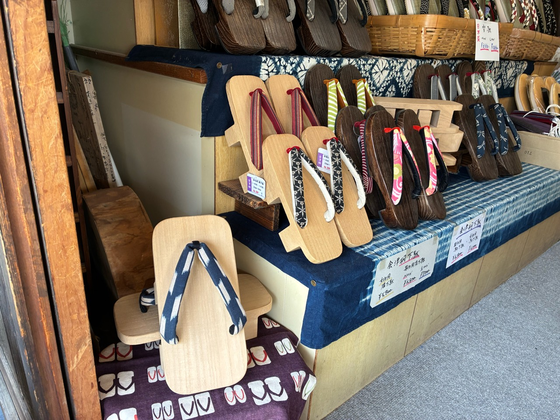
A display labelled Aizu kiri geta at a shop in Ouchi-juku. Photo: Ryo. Setta and Geta: Looking Beyond the Straps
Look past the patterned straps: photographs from Ouchi-juku reveal the connections, wooden bases and teeth of Japanese footwear.
-
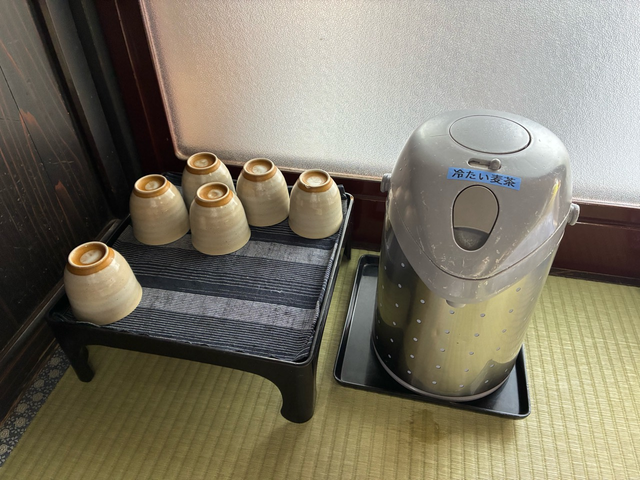
Photo: Ryo / Small Stops Japan. The label reads “cold barley tea”. This is a photographed setting, not a universal rule for serving tea. Yunomi: A Closer Look at Japan’s Handleless Teacup
Meet Japan’s handleless teacup through an everyday drinks corner, contrasting shapes and the journey from warming water to brewed tea.
-
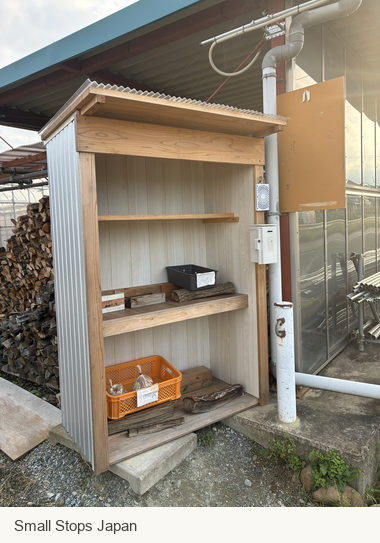
Photo: Small Stops Japan. A wider view of the wooden stand. The display is as photographed, not a current stock listing. No Cashier? How to Buy Produce at a Stand in Fukushima
A bulb, a bundle, or a bag? Read the price signs and find where to pay at open produce shelves and coin lockers photographed in Fukushima City.
-
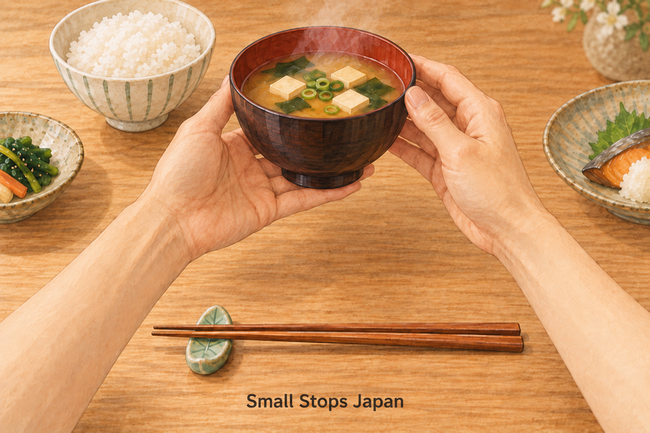
Illustration: resting the chopsticks leaves both hands free to lift a soup bowl. This is an example meal, not a photograph. Where Do Your Chopsticks Go When You Pause?
A small rest gives your chopsticks somewhere to pause. Learn where to place the pair and how far the tips should extend beyond it.
-
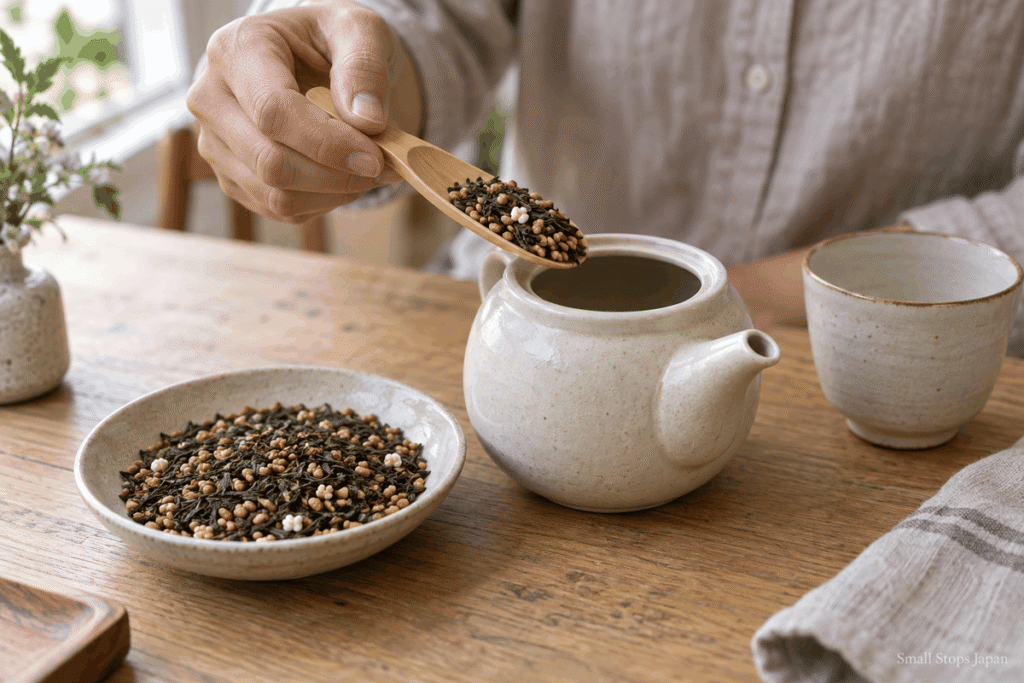
Illustration: dry genmaicha before brewing. The blend, person, and kitchen are illustrative, not a specific manufacturer’s product. Why Is There Rice in My Tea? Meet Genmaicha
What are the golden grains in Japanese green tea? Meet genmaicha, recognize its roasted rice, and learn how to brew a first cup.